
Can One Fly Ruin Your Meal?
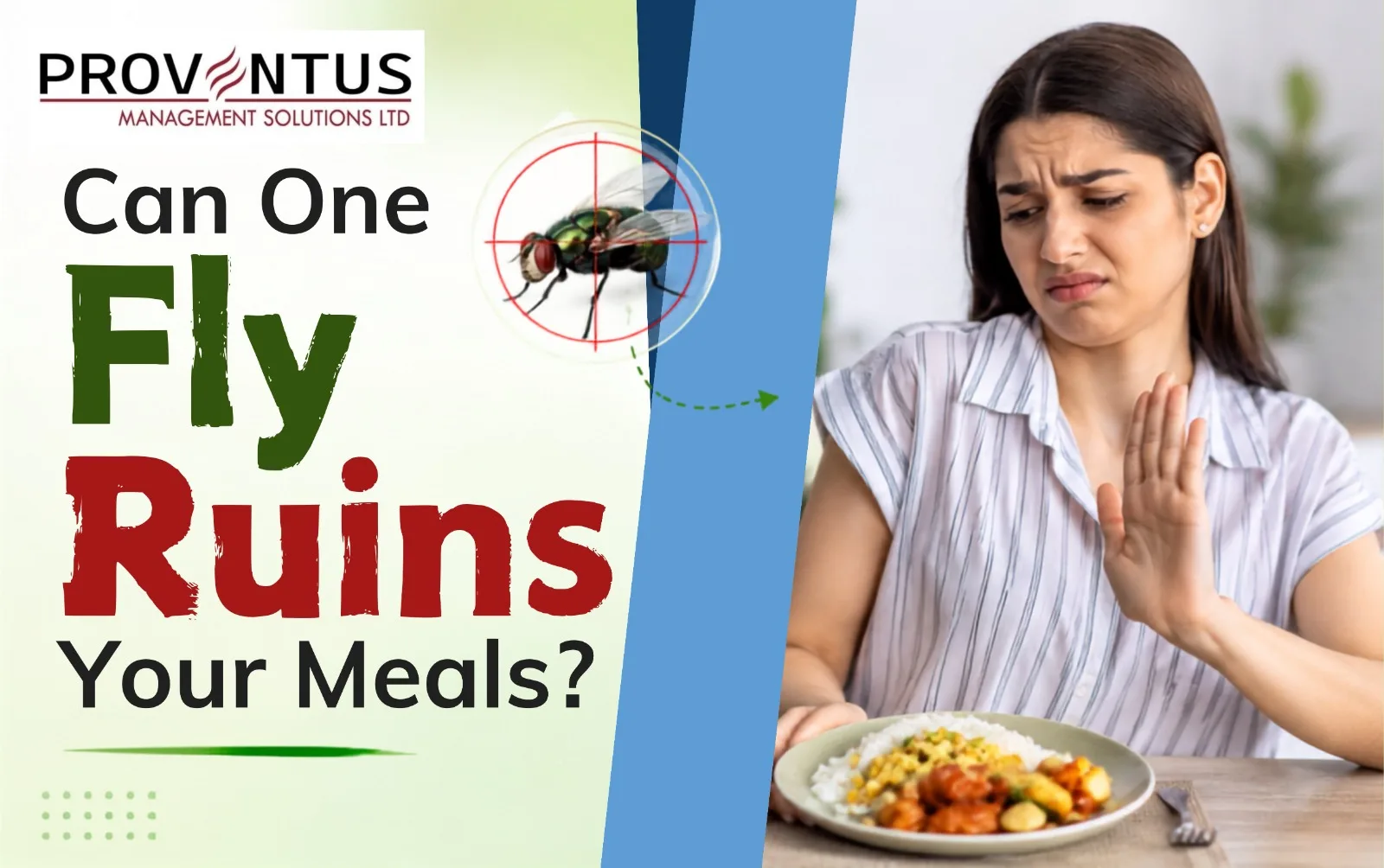
Can the Best Pest Control Company Stop Food Flies?
A fly landing on your food may seem harmless, but experts warn it can introduce harmful bacteria and other pathogens. Understanding the risks helps you make safer food choices and maintain better hygiene. If flies are a recurring problem at home or work, choosing the best pest control company in Kolkata can help protect your family, employees, and customers.
What happens if a fly lands on your food? It may transfer germs in seconds. The best pest control company in Kolkata can help reduce fly infestations and improve food hygiene.
Is It Safe to Eat Food After a Fly Lands on It?
Not always. Houseflies frequently land on garbage, animal waste, drains, and decaying organic matter before landing on food. During this process, they can carry microorganisms on their legs and body and may contaminate food. While the actual risk varies depending on the situation, preventing flies from coming into contact with food is the safest approach.
Why Do Experts Warn About Flies on Food?
Houseflies are not simply a nuisance. Because they regularly move between contaminated environments and human food, they can transfer microorganisms from one surface to another.
Common places where flies breed include:
- Garbage bins
- Open drains
- Animal waste
- Compost piles
- Food waste
- Rotten fruits and vegetables
Every landing increases the possibility of contamination.
What Happens If a Fly Lands on Your Food?
Many people quickly wave the fly away and continue eating. However, experts recommend considering several factors before deciding whether the food is still safe.
Possible concerns include:
- Transfer of bacteria from contaminated surfaces
- Contact with dirty legs and body hairs
- Regurgitation during feeding
- Deposition of microorganisms on exposed food
The likelihood of illness depends on the type of food, how long it remained exposed, and the level of contamination.
How Can Flies Contaminate Food?
Houseflies do not bite people for food. Instead, they feed by releasing digestive fluids onto food before consuming it.
Potential contamination methods include:
Direct Contact
Microorganisms present on a fly’s body can be transferred when it lands.
Feeding Behavior
Flies often regurgitate digestive fluids while feeding, which may contaminate exposed food.
Surface Transfer
After visiting waste, drains, or decaying material, flies may carry microorganisms to kitchen counters, dining tables, and uncovered meals.
What Germs Can Houseflies Carry?
Research has found that flies can carry many different microorganisms picked up from contaminated environments.
Examples include:
- Salmonella
- Escherichia coli (E. coli)
- Campylobacter
- Shigella
- Staphylococcus species
The presence of these microorganisms does not necessarily mean illness will occur after every contact, but it highlights why proper food hygiene is important.
Foods Most Vulnerable to Fly Contamination
Some foods are more likely to become contaminated because they are exposed and moist.
Examples include:
- Fresh fruits
- Salads
- Rice
- Cooked vegetables
- Meat dishes
- Fish
- Bakery products
- Sweets
- Dairy products
Keeping these foods covered significantly reduces exposure.
Signs Your Home Has a Fly Problem
Occasionally seeing one fly is common. However, repeated sightings may indicate an infestation.
Watch for:
- Multiple flies indoors every day
- Flies around kitchen sinks
- Flies near garbage bins
- Persistent buzzing around dining areas
- Flies gathering near food preparation surfaces
- Increased activity during warm weather
If these problems continue, searching for a professional fly control service near me can help identify the source and reduce recurring infestations.
Why Do Kitchens Attract Flies?
Flies are attracted to environments that provide food, moisture, and breeding opportunities.
Common attractants include:
- Open garbage
- Dirty dishes
- Food crumbs
- Spilled beverages
- Pet food
- Standing water
- Organic waste
Maintaining a clean kitchen reduces these attractants considerably.
Health Risks Associated With Fly Contamination
Although not every fly landing results in illness, contaminated food can increase the possibility of foodborne infections.
Possible symptoms include:
- Stomach pain
- Nausea
- Vomiting
- Diarrhea
- Fever
- Digestive discomfort
Young children, older adults, pregnant women, and people with weakened immune systems may be more susceptible to foodborne illness, making prevention especially important.
Complete Guide to Fly Prevention
This article is part of a broader pest management resource. Related topics include:
- Common kitchen pests and prevention
- Why flies invade homes during summer
- Restaurant fly management best practices
- Integrated pest management for commercial properties
- Food safety and pest prevention
- Seasonal fly control strategies
- Professional commercial pest inspections
These connected resources help readers better understand fly prevention and support a comprehensive approach to food hygiene.
How to Prevent Flies From Landing on Your Food?
Preventing flies is easier than dealing with an infestation. Good hygiene combined with professional pest management significantly reduces the chances of flies entering your home or workplace.
Keep Food Covered
Cover cooked and uncooked food immediately after preparation. Food covers, airtight containers, and refrigerator storage help reduce exposure.
Best Practices
- Cover fruits and vegetables.
- Store leftovers promptly.
- Avoid leaving pet food exposed.
- Keep beverages covered outdoors.
Dispose of Garbage Properly
Garbage is one of the biggest attractions for houseflies.
Tips
- Use bins with tight-fitting lids.
- Empty kitchen bins daily.
- Clean garbage containers regularly.
- Keep outdoor bins away from entry doors whenever possible.
Maintain a Clean Kitchen
Small food particles are enough to attract flies.
Daily Kitchen Checklist
- Wipe countertops after cooking.
- Clean dining tables immediately after meals.
- Wash dishes promptly.
- Remove food spills.
- Clean sink drains regularly.
- Mop floors to remove crumbs and sticky residues.
Eliminate Breeding Areas
Houseflies reproduce quickly when suitable breeding sites are available.
Inspect for:
- Organic waste
- Compost piles
- Animal waste
- Leaking drains
- Standing water near waste
Removing breeding sites is one of the most effective long-term control methods.
Natural Ways to Reduce Flies
While natural methods may help reduce fly activity, they are generally most effective for minor problems.
You can try:
- Installing window screens
- Using self-closing doors
- Keeping windows closed during peak fly activity
- Maintaining outdoor cleanliness
- Removing overripe fruits
- Cleaning recycling bins regularly
If flies continue returning despite these measures, professional assessment may be beneficial.
When Should You Hire Pest Control for Houseflies?
Occasional flies are common, but recurring infestations usually require professional attention.
Consider professional assistance if:
- Flies appear every day.
- You cannot locate the breeding source.
- Flies repeatedly contaminate food preparation areas.
- DIY methods provide only temporary relief.
- The infestation spreads throughout the property.
- Your restaurant or food business requires ongoing pest management.
Many homeowners begin searching online to hire pest control for houseflies when infestations become difficult to manage independently.
Why Is Professional Fly Control More Effective?
Professional pest management focuses on identifying and addressing the source of the infestation rather than only eliminating visible flies.
A comprehensive approach may include:
- Property inspection
- Breeding site identification
- Sanitation recommendations
- Targeted treatment
- Monitoring fly activity
- Preventive maintenance
This integrated strategy helps reduce the likelihood of recurring infestations.
How Businesses Can Protect Food Safety?
Restaurants, hotels, cafés, grocery stores, bakeries, and food processing facilities face higher risks because food is continuously prepared and served.
Business owners should:
- Train staff in food hygiene.
- Store food correctly.
- Install fly-proof barriers where appropriate.
- Schedule routine inspections.
- Maintain clean waste disposal systems.
- Monitor pest activity regularly.
Consistent pest prevention also supports compliance with food safety standards. Check our customer’s testimonial click: https://shorturl.at/70sxZ
Why Regular Pest Inspections Matter?
Waiting until an infestation becomes severe often leads to greater disruption.
Routine inspections can help:
- Detect early signs of infestation.
- Identify hidden breeding areas.
- Reduce contamination risks.
- Protect food preparation environments.
- Maintain a cleaner workplace.
Preventive maintenance is generally more effective than responding only after a major fly problem develops.
How to Choose the Best Pest Control Company in Kolkata
Selecting a reliable provider involves more than comparing prices.
Consider factors such as:
- Experienced technicians
- Proper inspection procedures
- Integrated pest management practices
- Transparent service plans
- Safety-focused treatment methods
- Ongoing monitoring and support
- Positive customer feedback
A professional service should explain its recommendations clearly and tailor solutions to the property’s needs.
About Proventous Management Solution Ltd.
Proventous Management Solution Ltd., led by Swapan Chatterjee, provides professional pest management services for residential, commercial, industrial, hospitality, healthcare, educational, and food-related facilities.
The company emphasizes systematic inspection, preventive strategies, and integrated pest management practices designed to help reduce pest activity while supporting hygienic environments. Depending on the property and level of infestation, customized pest management plans may be recommended.
Whether the concern involves homes, restaurants, offices, warehouses, or food businesses, professional assessments can help identify the underlying causes of recurring fly problems and recommend appropriate control measures.
Quick Guide to Flies and Food Safety
| Question | Short Answer |
| Is food safe after a fly lands on it? | It depends on the food, exposure time, and hygiene conditions. When in doubt, avoid eating food that may have been contaminated. |
| Can flies spread bacteria? | Yes. Houseflies can carry microorganisms from waste and other contaminated surfaces to food and preparation areas. |
| Why are flies attracted to kitchens? | Food residues, moisture, uncovered garbage, and organic waste attract flies. |
| Can fly infestations be prevented? | Yes. Good sanitation, proper food storage, waste management, and regular pest management can significantly reduce fly activity. |
| When should I seek professional fly control? | If flies appear frequently, breeding sites cannot be located, or DIY methods fail to control the problem. |
Food Safety Checklist
Follow these practical steps to reduce the risk of food contamination:
- ✔ Keep cooked and raw food covered.
- ✔ Refrigerate leftovers promptly.
- ✔ Wash fruits and vegetables thoroughly.
- ✔ Empty kitchen waste bins regularly.
- ✔ Clean dining tables and kitchen counters after every meal.
- ✔ Repair damaged window screens.
- ✔ Remove stagnant water around the property.
- ✔ Dispose of spoiled food immediately.
- ✔ Clean drains periodically.
- ✔ Schedule preventive pest inspections when needed.
Common Myths About Houseflies
Myth 1: A single fly is harmless.
Fact: Even one fly may carry microorganisms from contaminated environments.
Myth 2: Flies only enter dirty homes.
Fact: Even clean homes can attract flies if food, moisture, or entry points are available.
Myth 3: Fly sprays alone solve the problem.
Fact: Effective control requires eliminating breeding sites, improving sanitation, and implementing preventive measures.
Myth 4: Covering food is enough.
Fact: Covering food helps, but maintaining a clean environment and controlling fly populations are equally important.
When Should You Contact a Pest Management Professional?
Professional assistance may be beneficial if:
- Flies continue to return despite cleaning.
- Infestation levels increase over time.
- Food preparation areas are repeatedly affected.
- Commercial kitchens require preventive pest management.
- Hidden breeding locations cannot be identified.
- Health and hygiene standards must be maintained.
Why Preventive Pest Management Matters?
Preventive pest management helps:
- Reduce pest activity before it becomes severe.
- Protect food storage and preparation areas.
- Support better hygiene practices.
- Minimize business disruption.
- Improve long-term pest prevention.
- Reduce the likelihood of recurring infestations.
Are professional fly control services worth considering?
For persistent infestations, professional pest management can help identify breeding areas, recommend preventive measures, and implement integrated pest management strategies tailored to the property.
Key Takeaways
- Houseflies can transfer microorganisms from contaminated environments to food.
- Good kitchen hygiene significantly lowers contamination risks.
- Proper waste management is essential for fly prevention.
- Eliminating breeding sites provides long-term control.
- Persistent infestations may require professional assessment.
- Preventive pest management supports healthier homes and businesses.
Conclusion
Protecting food from flies begins with consistent hygiene, safe food storage, and regular property maintenance. While an occasional fly may not always cause illness, repeated infestations should never be ignored. Combining preventive sanitation with professional pest management helps reduce contamination risks, supports healthier living environments, and promotes long-term food safety for homes, restaurants, and commercial facilities. You can visit our address: https://maps.app.goo.gl/L5YtodBJ6BX4bmeH9
:
FAQs
What happens if a fly lands on your food?
A fly may transfer microorganisms picked up from contaminated environments. While not every contact results in illness, food safety experts recommend preventing flies from landing on exposed food whenever possible.
Can flies spread foodborne diseases?
Houseflies can carry microorganisms associated with foodborne illness. Good hygiene and safe food handling practices help reduce this risk.
Should I throw away food after a fly lands on it?
The decision depends on the type of food, how long it was exposed, and the surrounding environment. If contamination is suspected, discarding the food is often the safer choice.
How can I stop flies from entering my kitchen?
Keep food covered, dispose of waste promptly, clean food preparation areas regularly, repair entry points, and eliminate breeding sites around your property.
When should I hire pest control for houseflies?
If flies repeatedly appear indoors, contaminate food preparation areas, or DIY methods fail to provide lasting control, a professional inspection can help identify the source and recommend appropriate solutions.
What attracts flies to homes?
Houseflies are commonly attracted by uncovered food, overflowing garbage bins, pet waste, moisture, dirty drains, compost, and decaying organic matter.
Are professional fly control services worth considering?
For persistent infestations, professional pest management can help identify breeding areas, recommend preventive measures, and implement integrated pest management strategies tailored to the property.
Recent Posts
Does Your Pest Control Meet HACCP Rules?
What Attracts Pests to Offices and How...
Can You Spot Hidden Termite Damage Before...