
The Dos and Don’ts of Termite Control to Remember
Why Choose a Termite Control Service for Lasting Protection?
Hello Reader!
Welcome to the blog page of Proventus, the best pest control service in Kolkata.
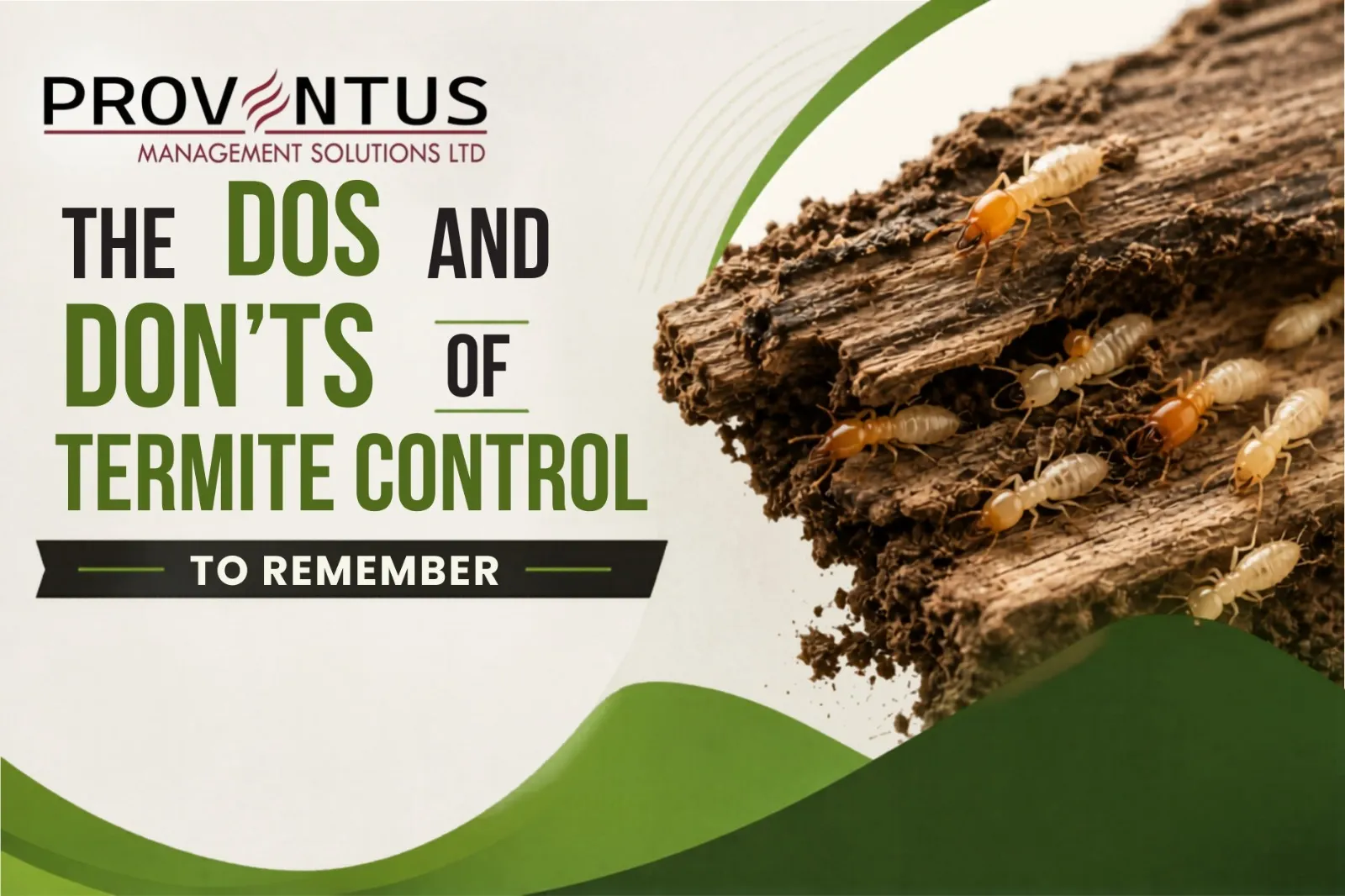
Termites are among the most destructive pests that can silently damage homes, offices, furniture, and commercial properties. These tiny insects work unnoticed for months or even years, causing severe structural damage and expensive repairs. That is why understanding the Dos and don’ts of Termite control is extremely important for every property owner.
At Proventous, known for providing the Best Pest control Service In Kolkata, we believe that awareness and preventive measures play a major role in keeping your property termite-free. In this blog, we will discuss the essential Dos and don’ts of Termite control that every homeowner should remember to protect their investment and maintain a healthy living environment.
Why Termite Control Is Important
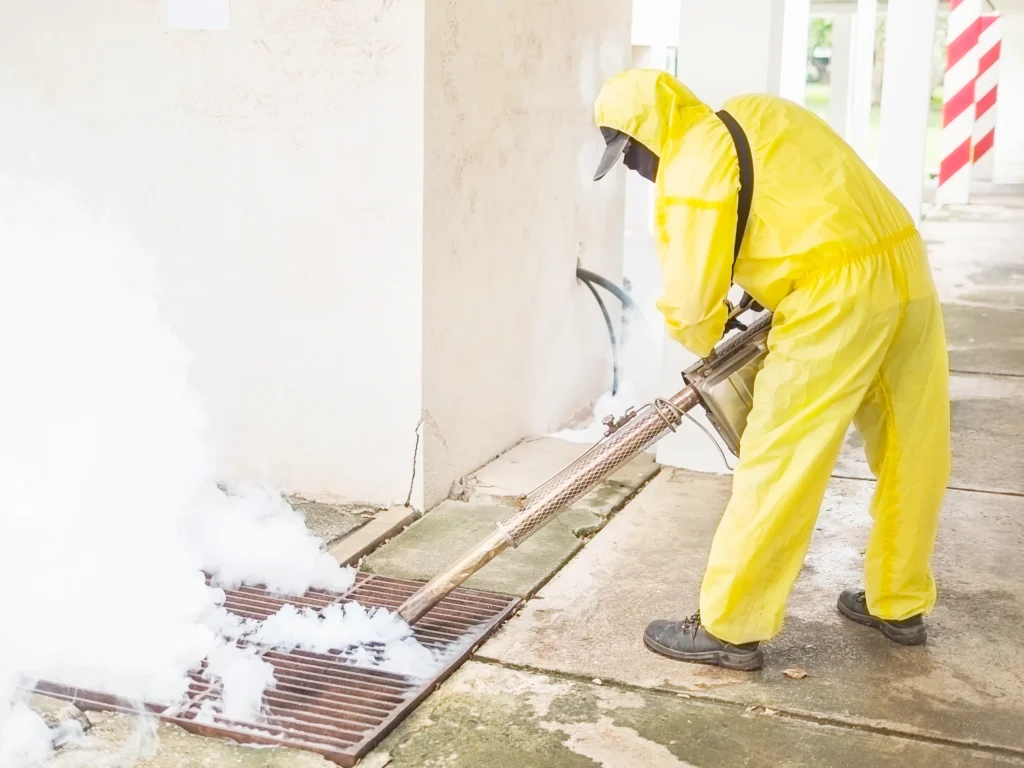
Termites feed on wood, paper, and other cellulose-based materials. If left untreated, they can weaken wooden structures, damage furniture, destroy flooring, and compromise the safety of buildings. Early termite prevention and professional pest management can save you from costly repairs and long-term damage.
Choosing the Best Pest control Service In Kolkata can help detect termite activity early and ensure effective treatment before the infestation spreads.
The Dos of Termite Control
1. Do Inspect Your Property Regularly
Regular inspection is one of the most important steps in termite prevention. Check wooden furniture, doors, windows, ceilings, and storage areas for signs such as:
- Hollow wood sounds
- Mud tubes on walls
- Peeling paint
- Tiny holes in wooden surfaces
- Discarded termite wings
Routine inspections can help identify infestations before they become severe. Professional inspections from the Best Pest control Service In Kolkata can provide accurate detection and customized solutions.
2. Do Keep Moisture Levels Under Control
Termites thrive in damp and humid environments. Leaking pipes, clogged drains, and water accumulation create ideal breeding conditions for termites.
To reduce moisture:
- Repair leaking pipes immediately
- Ensure proper ventilation
- Keep bathrooms and kitchens dry
- Clean gutters regularly
- Avoid water stagnation near foundations
One of the major Dos and don’ts of Termite control is maintaining a dry environment to discourage termite activity.
3. Do Store Wood Properly
Firewood, wooden debris, cardboard boxes, and unused wooden materials should never be stored directly on the ground or close to walls.
Instead:
- Keep wood elevated
- Store it away from your home
- Dispose of decayed wood promptly
This simple habit can significantly reduce termite attraction around your property.
4. Do Schedule Professional Termite Treatment
DIY methods may offer temporary relief but often fail to eliminate termite colonies completely. Professional pest control experts use advanced tools and treatments for long-lasting protection.
Hiring the Best Pest control Service In Kolkata ensures:
- Thorough inspection
- Safe chemical application
- Advanced anti-termite treatment
- Long-term prevention plans
Professional services provide peace of mind and better protection for your property.
5. Do Seal Cracks and Entry Points
Small cracks in walls, flooring, or foundations can become easy entry points for termites.
Seal:
- Wall cracks
- Gaps around plumbing
- Window and door frames
- Foundation openings
This preventive step is an important part of the Dos and don’ts of Termite control that homeowners often overlook.
The Don’ts of Termite Control
1. Don’t Ignore Early Warning Signs
Many people ignore minor signs of termite activity until major damage occurs. Even small mud tubes or slight wood damage may indicate a large hidden colony.
Ignoring these signs can lead to:
- Structural weakening
- Expensive repairs
- Increased infestation
Always consult the Best Pest control Service In Kolkata if you notice suspicious termite activity.
2. Don’t Attempt Unsafe DIY Chemical Treatments
Using over-the-counter chemicals without proper knowledge can be dangerous for both humans and pets. Improper application may also fail to eliminate the root of the infestation.
DIY treatments can:
- Spread termites to other areas
- Cause health hazards
- Damage furniture and surfaces
Professional termite experts know the safest and most effective treatment methods.
3. Don’t Allow Wood-to-Soil Contact
Termites can easily enter buildings when wooden structures directly touch soil.
Avoid:
- Wooden furniture in direct contact with the ground
- Untreated wooden fences
- Wooden support beams touching soil
Maintaining separation between wood and soil is one of the essential Dos and don’ts of Termite control for long-term safety.
4. Don’t Delay Professional Help
Many people wait until the infestation becomes severe before seeking professional assistance. Unfortunately, termites spread rapidly and silently.
Delaying treatment can result in:
- Extensive property damage
- Higher repair costs
- Larger termite colonies
Early professional intervention from the Best Pest control Service In Kolkata can save both time and money.
5. Don’t Neglect Post-Treatment Maintenance
Even after termite treatment, regular maintenance remains necessary. Some homeowners assume termites will never return after one treatment.
However:
- Periodic inspections are necessary
- Preventive measures must continue
- Moisture control should be maintained
Long-term prevention is a critical part of successful termite management.

How do mud tubes indicate active termite infestations?
Mud tubes are one of the most reliable signs of an active termite infestation because they serve as protected highways that subterranean termites build to travel between their underground colony and their food source (wood in your home). Here’s how they indicate active infestation:
Key Signs That Mud Tubes Indicate Active Termites
1. Moisture and Dampness
Active mud tubes are moist and damp to the touch, with a soil-like texture that isn’t completely dry. Termites maintain this moisture because they need humid conditions to survive. If tubes are dry and empty, termites may have abandoned them.
2. Visible Termites Inside
When you gently break open a small section of an active mud tube, you’ll see termites crawling inside or moving around. This is direct proof of an active infestation.
3. Quick Repair or Rebuilding
If you break a section of the tube and it gets repaired or rebuilt within 1–2 days, termites are actively maintaining the tunnel. You might see new mud added over old sections, indicating ongoing activity.
4. Fresh Appearance
Active tubes appear fresh and moist, not weathered or cracked. They typically look like thin, brown pathways roughly ¼ inch to 1 inch wide (about pencil-sized).
Types of Mud Tubes and What They Mean
| Tube Type | Purpose | Indicates |
| Working tubes | Worker termites moving between nest and food | Active feeding on wood |
| Exploratory tubes | Searching for new food sources | May be abandoned if nothing found |
| Drop tubes | Extend downward from wood to ground (like stalactites) | Well-established colony underground |
| Swarm tubes | Used by reproductive termites during mating season | Colony preparing to reproduce |
Where to Find Mud Tubes
You’ll typically find mud tubes in these locations:
- Foundation walls
- Concrete slabs
- Wooden beams and joists
- Crawl spaces and basements
- Between soil and wood where termites access your home
Why Mud Tubes Are Critical Signs
Mud tunnels are important parts of termite colonies and are likely signs of an active termite infestation. Termites build these tubes to:
- Protect themselves from predators and dry air while traveling
- Maintain humidity necessary for their survival
- Connect their underground colony to wood food sources in your house
What to Do If You Find Mud Tubes
If you spot mud tubes around your home:
- Don’t disturb them – Knocking down tubes can cause termites to scatter and establish new colonies elsewhere
- Check for activity – Look for moisture, termites inside, or quick repairs
- Contact a pest control professional immediately for a thorough inspection and treatment options
Early detection through recognizing mud tubes can prevent costly structural damage and save you time and money.
Also Read: Can Anti-Termite Piping Prevent Hidden Damage?
Signs You Need Immediate Termite Control
You should contact termite experts immediately if you notice:
- Cracked or hollow wood
- Swollen floors or ceilings
- Mud tunnels on walls
- Difficulty opening doors or windows
- Bubbling paint resembling water damage
- Presence of termite wings
The earlier the treatment begins, the easier it becomes to control the infestation effectively.
At what time of year are subterranean termites most active?
Subterranean termites are active year-round, but they are most visible and active between March and November. Here’s the seasonal breakdown:
Peak Activity Period
| Season | Activity Level | What Happens |
| Spring (March–June) | PEAK | Termite swarms occur; winged termites leave colony to start new ones |
| Summer (June–September) | High | Warm temperatures and monsoon humidity create ideal conditions for colony expansion |
| Fall (October–November) | Moderate to High | Activity continues but begins slowing as temperatures drop |
| Winter (December–February) | Reduced (outdoors) | Outdoor activity slows, but indoor colonies remain active |
When Subterranean Termites Swarm Most
Swarm season for subterranean termites typically occurs:
- Primary swarm season: Spring (April–June), with peak activity in early to mid-May
- Eastern subterranean termites: Swarm primarily in spring, but can begin as early as January in coastal areas and continue into June
- Formosan subterranean termites: Swarm from April through June, with a peak in early to mid-May
- Swarm timing: Usually after heavy rains and on warm, humid, windless evenings
In warmer climates like India, subterranean termites can swarm multiple times per year, especially in tropical regions.
Why Spring and Summer Are Peak Times
- Warm temperatures speed up termite metabolism and breeding cycles
- Higher humidity (especially during the monsoon) creates perfect soil moisture for subterranean termites
- Swarming occurs when colonies reproduce and send out winged termites to establish new colonies
Important: Termites Are Active Year-Round Indoors
Even though outdoor activity slows in cold, dry months:
- Indoor colonies remain active thanks to stable temperatures
- Termites feed 24/7, regardless of the season
- Heated buildings and moisture sources (bathrooms, kitchens, basements) keep them active even in winter
- In cooler climates, activity slows, but termites still cause damage at any time
Bottom Line
Most active: March–November (peak in spring, especially April–May)
Most visible: During swarm season in spring, when winged termites emerge
Year-round threat: Indoor colonies stay active constantly, causing continuous damage

FAQ
1. What are the common signs of termite infestation?
Common signs include hollow-sounding wood, mud tubes on walls, discarded wings, cracked paint, and damaged wooden furniture.
2. Why is moisture control important in termite prevention?
Termites thrive in damp environments. Fixing leaks and reducing moisture can help prevent termite infestations effectively.
3. Can DIY termite treatments completely remove termites?
DIY treatments may provide temporary relief, but professional pest control is usually needed to eliminate the entire termite colony safely and effectively.
4. How often should I get my property inspected for termites?
It is recommended to schedule a professional termite inspection at least once a year to detect early signs of infestation.
5. Why should I choose a professional termite control service?
Professional experts use advanced treatment methods, proper chemicals, and preventive solutions to provide long-lasting termite protection for your property.
Why Choose Proventous for Termite Control?
Proventous is committed to delivering safe, effective, and affordable pest management solutions. As a trusted provider of the Best Pest control Service In Kolkata, we use advanced technology and eco-friendly treatments to protect homes and businesses from termite infestations.
Our services include:
- Thorough termite inspections
- Residential and commercial termite control
- Pre-construction anti-termite treatment
- Post-construction termite solutions
- Safe and professional pest management
Our experienced team ensures complete customer satisfaction and long-lasting protection.
Final Thoughts
Understanding the Dos and don’ts of Termite control can help homeowners prevent severe property damage and maintain a safe environment. Simple preventive measures, regular inspections, and professional assistance can make a huge difference in termite management.
If you suspect termite activity in your property, do not wait for the damage to worsen. Trust Proventous, the Best Pest control Service In Kolkata, for reliable termite inspection and treatment solutions that keep your home and workplace protected all year round.
Recent Posts

Does Your Pest Control Meet HACCP Rules?
What Attracts Pests to Offices and How...

Can You Spot Hidden Termite Damage Before...